
Rana Florida

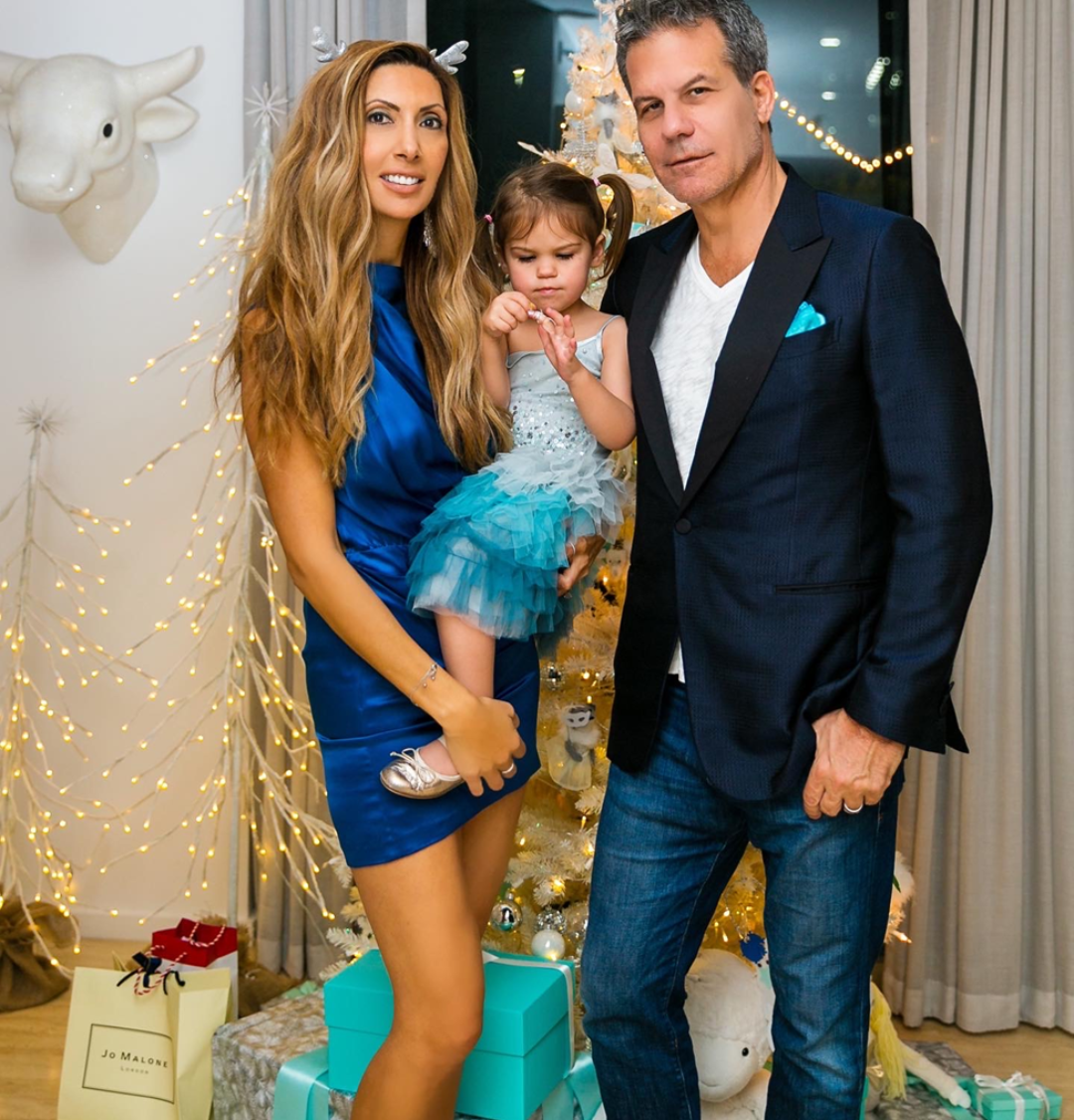
Rana Florida believes that meaningful change often starts with something simple. As CEO of the Creative Class Group, bestselling author, and longtime advocate for stronger, more connected communities, she has built her career around elevating how people live and thrive. But it’s her role as a mother—and her deep belief in the power of community—that has inspired her commitment to children in foster care. What began as a small holiday toy drive has grown into a tradition that brings together families, neighbors, and partners, all united by one purpose: ensuring every child feels seen, supported, and cared for.
How did you first get involved with Voices For Children?
It started very simply. As a new mother, I came across a flyer for a holiday toy drive in my inbox and felt an easy way to get involved. I began by participating, and then started hosting our own drive, which over time became an annual tradition. I met with President and CEO Kadie Black and was even more inspired by her humanitarian work and passion.
The event has gotten bigger every year. More children come, many with hands filled with toy donations. Do you know how hard it is with a child to part with a toy! Now they love giving. Our condo building also got involved and now all our suppliers also get involved. What started as a small effort has grown into something much larger, but the intention has stayed the same.
What inspired you to start hosting drives to support the children we serve?
As a mother, I’m constantly thinking about what children need—not just materially, but emotionally. The thought of children waking up on Christmas morning without parents or a family or toys under the tree is truly heartbreaking. I love bringing the community together during the holidays around something that is beneficial and supportive of children, it’s not just the toys, it’s getting out the messaging, the narrative and in hopes of garnering more support for the organization that supports more than 1500 children in foster care.
What keeps you motivated to continue giving back through these efforts?
It seems harder today in today’s climate of polarization, society seems so divided. Then you have children growing up without a support system and family in this society, they need our help now more than ever. They need to see community showing up and supporting them.
Why do you believe community involvement is so important for children in foster care?
Children in foster care often lack a foundation and stability to help them grow and develop—things many of us take for granted. Community involvement helps fill that gap. It creates a sense of belonging and reminds them that they are seen, valued, and supported. That kind of support can have a lasting impact on a child’s confidence, resilience, and future.
What would you say to someone who is considering hosting their own drive or getting involved?
Start small and just begin. You don’t need to do something large to make a difference. What matters is intention. If you have a network—even a small one—you have the ability to create meaningful impact. It’s often much simpler than people think. And it’s not just at the holidays. I just held a Galentine’s night out and asked the mothers to bring essential toiletries for the teens in foster care. Things we take for granted like shampoo, conditioner, deodorant. A small lift for the attendees but a big difference in the life of a teenager without a family. It can be anything, ie. In lieu of birthday gifts or a retirement gift, give to Voices for Children. Host a lunch or a mahjong night and ask your friends to bring something for the kids.
In your own words, what does being a “voice” for these children mean to you?
Being a voice means advocating for children who don’t have parents advocating for them. It means making sure they are not overlooked—that their needs, their experiences, and their potential are recognized. It’s about showing up and ensuring they feel supported.
Is there anything else you’d like to share?
Living in Miami, where life can feel fast, polished, and often very material, I became increasingly aware of how easy it is for children to associate holidays with receiving—more gifts, more things, more excess. I wanted to gently shift that narrative in our home. I wanted our daughters to understand, from a very young age, that real joy and purpose come from giving. So we started a simple tradition. Each year, we host a holiday gathering where friends arrive with gifts—but not for us. Every present is meant for a child in foster care. In the beginning, the toys would gather under our tree, a small but meaningful pile. Over time, something changed. The generosity grew. What once fit neatly under the tree began to spill out into the condo lobby. Year after year, the collection expanded in the best possible way, we could barely fit the generosity into multiple trunks And my daughters have grown up inside that tradition. They help sort the gifts, carefully arranging them, walking slowly through the piles, picking things up and imagining the child who might receive them. They’ll pause over a toy and say, “I think a little girl would love this,” or “This one feels special.” It’s not abstract to them—it’s tangible. They can see what giving looks like. They can feel it. They understand that these gifts are going to children who may not have the same stability or sense of belonging that they do. In a quiet way, it has shaped them. And it has shaped me as well. It reminded me that sometimes the most powerful way to teach values is not through words, but through creating experiences that children can live inside of. What began as a small gesture has become a tradition, and a community effort. And at its core, it’s still about the same simple idea: helping children feel cared for.

